Catalogus : Details
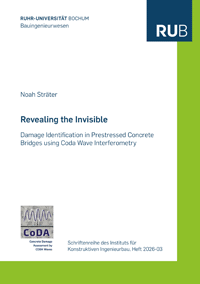 | Noah SträterRevealing the InvisibleDamage Identification in Prestressed Concrete Bridges using Coda Wave Interferometry | ||||||||||||||||||||||||||||||||||||||||||||||||||||||||||||||||||||||||||
|---|---|---|---|---|---|---|---|---|---|---|---|---|---|---|---|---|---|---|---|---|---|---|---|---|---|---|---|---|---|---|---|---|---|---|---|---|---|---|---|---|---|---|---|---|---|---|---|---|---|---|---|---|---|---|---|---|---|---|---|---|---|---|---|---|---|---|---|---|---|---|---|---|---|---|---|
| |||||||||||||||||||||||||||||||||||||||||||||||||||||||||||||||||||||||||||
| ISBN: | 978-3-8191-0860-0 | ||||||||||||||||||||||||||||||||||||||||||||||||||||||||||||||||||||||||||
| Reeks: | Schriftenreihe des Instituts für Konstruktiven Ingenieurbau Uitgever: Prof. Dr.-Ing. R. Breitenbücher, Prof. Dr.-Ing. Rüdiger Höffer, Univ.-Prof. Dr. Markus Knobloch, Univ.-Prof. Dr.-Ing. habil. Peter Mark en Prof. Dr.-Ing. Markus Thewes Bochum | ||||||||||||||||||||||||||||||||||||||||||||||||||||||||||||||||||||||||||
| Subreeks: | Lehrstuhl für Stahlbeton- und Spannbeton | ||||||||||||||||||||||||||||||||||||||||||||||||||||||||||||||||||||||||||
| Volume: | 2026,3 | ||||||||||||||||||||||||||||||||||||||||||||||||||||||||||||||||||||||||||
| Trefwoorden: | civil engineering; prestressed concrete bridges; structural health monitoring; coda wave interferometry | ||||||||||||||||||||||||||||||||||||||||||||||||||||||||||||||||||||||||||
| Soort publicatie: | Dissertatie | ||||||||||||||||||||||||||||||||||||||||||||||||||||||||||||||||||||||||||
| Taal: | Engels | ||||||||||||||||||||||||||||||||||||||||||||||||||||||||||||||||||||||||||
| Pagina's: | 152 pagina's | ||||||||||||||||||||||||||||||||||||||||||||||||||||||||||||||||||||||||||
| Prijs: | 55,80 € | ||||||||||||||||||||||||||||||||||||||||||||||||||||||||||||||||||||||||||
| Verschijningsdatum: | September 2026 | ||||||||||||||||||||||||||||||||||||||||||||||||||||||||||||||||||||||||||
| Download: | Beschikbare online documenten voor deze titel: U heeft Adobe Reader, nodig, om deze bestanden te kunnen bekijken. Hier vindt u ondersteuning en informatie, bij het downloaden van PDF-bestanden. Let u er a.u.b. op dat de online-bestanden niet drukbaar zijn.
Gebruikersinstellingen voor geregistreerde online-bezoekers Hier kunt u uw adresgegevens aanpassen en uw documenten inzien.
| ||||||||||||||||||||||||||||||||||||||||||||||||||||||||||||||||||||||||||
| Aanbevelen: | Wilt u dit boek aanbevelen? | ||||||||||||||||||||||||||||||||||||||||||||||||||||||||||||||||||||||||||
| Verlinking | Wilt u een link hebben van uw publicatie met onze online catalogus? Klik hier. | ||||||||||||||||||||||||||||||||||||||||||||||||||||||||||||||||||||||||||
| Samenvatting | Prestressed concrete bridges form the largest share of existing bridge infrastructure and are increasingly affected by hidden damage. Of particular concern are their internal tendons, which cannot be directly inspected. Damage to prestressing wires may accumulate and ultimately cause brittle structural failure. Monitoring methods beyond visual inspection are required to detect otherwise invisible damage at an early stage. This cumulative thesis investigates the use of active ultrasonic measurements combined with coda wave interferometry to identify damage-related changes in prestressed concrete bridges. Ultrasonic signals are repeatedly transmitted between embedded transmitters and receivers arranged in a network. By comparing consecutive signals, changes in wave velocity are determined and related to strain changes and crack widths. The approach is investigated through experimental studies on structural scale. Relationships between ultrasonic velocity changes, strain changes, and crack widths are examined consecutively, progressing from compression to uniaxial tension and finally to bending. The concept is practically demonstrated on a post-tensioned bridge girder subjected to successive wire breaks under load in both uncracked and cracked conditions. The findings demonstrate that, under compression, linear correlations can be established between strain changes and velocity changes in both the compression and tension zone, enabling the identification, localization, and assessment of otherwise undetected tendon damage. In non-compressed and cracked conditions, the ultrasonic response is dominated by the tension zone. Quantitative relationships between cumulative crack widths and velocity changes enable the identification and assessment of locally cracked regions. | ||||||||||||||||||||||||||||||||||||||||||||||||||||||||||||||||||||||||||